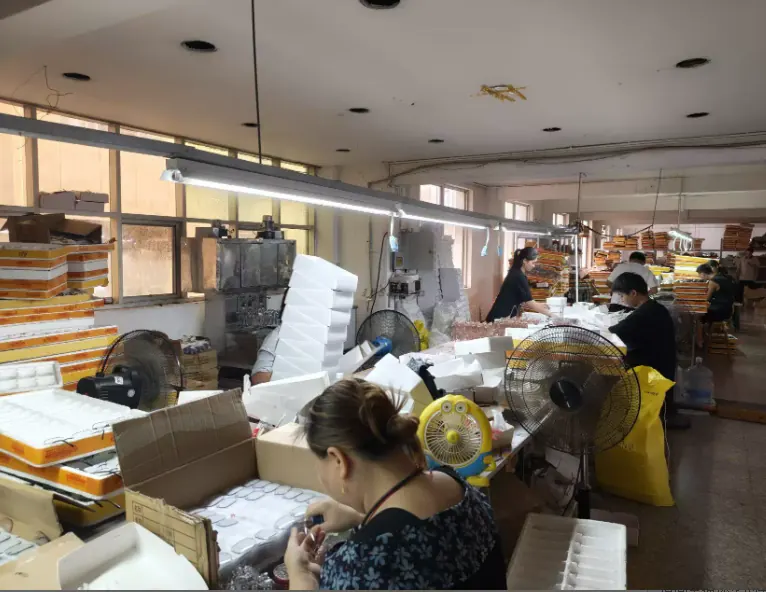
Check frame alignment on a level surface
Compare the front, bridge, end pieces, and temples with the approved reference. Look for uneven temple contact, visible twisting, loose components, sharp edges, inconsistent finish, or a frame that does not sit symmetrically when opened.
Operate hinges and inspect lenses
Open and close both temples, compare resistance, and check the fasteners that are visible without dismantling the frame. Inspect lenses under consistent light for scratches, chips, coating marks, contamination, distortion, or poor seating in the rim.
Verify labels, measurements, and package contents
Match the model and colorway to the order record. Compare the listed measurements with the approved data and check the agreed case, cloth, bag, box, barcode, warning, or other package component. Requirements should be stated in the purchase documents.
Record defects so they can be resolved
Photograph the full item and close detail, record the model, quantity affected, carton or package reference, and date, then keep the item available if further review is requested. KUANGTU states that a confirmed defective item can be refunded in full for that item; the applicable evidence and handling should be confirmed in writing.
Buyer workflow
A documented path from shortlist to order.
- 01
Reference
Place the ordered model, written specification, and approved sample together.
- 02
Inspect
Check alignment, hinge movement, lens condition, finish, measurements, and package contents.
- 03
Document
Record defects with model-level photos, quantities, package references, and dates.
- 04
Resolve
Confirm replacement, refund, acceptance, and shipping responsibility in writing.
Quick answers
What can a visual sunglasses inspection confirm?
It can document observable condition, assembly, alignment, finish, markings, measurements, and packaging. It cannot by itself prove UV, polarization, photochromic, chemical, or regulatory performance.
How should defects be reported?
Send clear overview and detail photos with the model reference, colorway, affected quantity, package or carton reference, discovery date, and requested resolution.
Should every order use the same checklist?
Keep a stable core checklist, then add model-specific and destination-specific requirements from the approved sample, purchase documents, and applicable market rules.