
Assess catalogue quality before catalogue size
Useful listings show several product views, a stable model reference, frame measurements, colorway information, and a clear route to confirm availability. Duplicate images, missing references, and inconsistent titles make order checking slower and riskier.
Require quote-level clarity
A professional quote separates product price, order quantity, packaging, lead time, delivery basis, and payment terms. If a term is unknown, it should be marked for confirmation rather than implied.
Check the sample and the process
A good sample matters, but so does the process around it: how the model was identified, how defects are recorded, who approves replacements, and how repeat orders are matched to the approved reference.
Plan for after-sales questions
Agree how shortages, transit damage, incorrect models, and quality disputes will be documented and handled. Put the applicable window and evidence requirements in writing before the order is paid.
Run a controlled reference challenge
Choose a small set of catalogue models that differ in shape, colorway, and construction. Ask the supplier to return current availability, stated size, package, price tiers, preparation target, and clear supporting images for each reference. Score whether the response preserves the same model identifiers and marks unknown facts. This test is more revealing than asking whether the company has many styles, because it follows the information path that a real order will use.
Verify identity and payment before the order
Compare the legal seller, invoicing entity, operating address, payment recipient, and named contacts across the quotation and other commercial documents. If an entity or account differs, require a written explanation and independently verify the change through an established contact channel. Destination requirements, authorization, provenance, and compliance cannot be inferred from a catalogue or showroom image. Request the evidence needed for the intended sales channel and market.
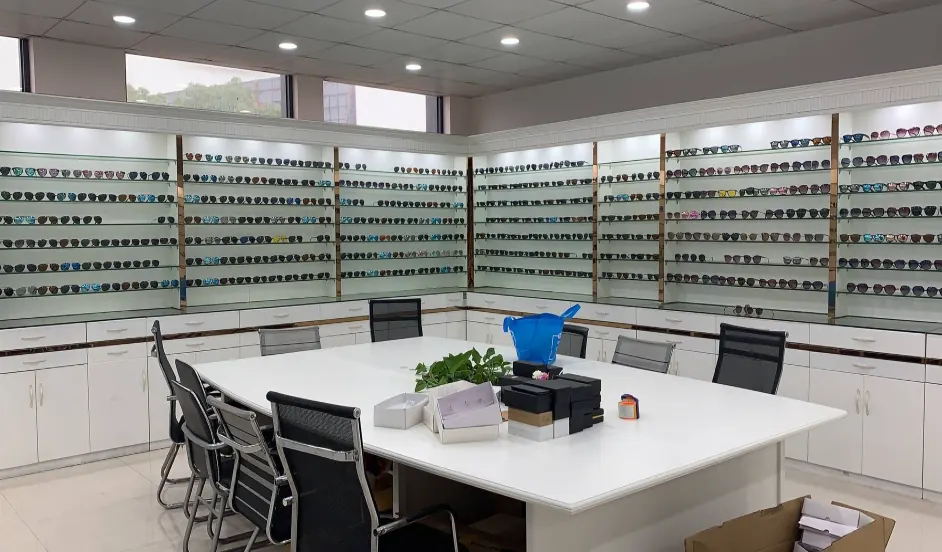

Working table
Supplier evaluation scorecard
| Area | Positive evidence | Warning sign |
|---|---|---|
| Catalogue | Stable references, multiple views, sizes, clear unknowns | Duplicates, changing names, or implied facts |
| Quotation | Model-level quantities, terms, timing, and exclusions | One total price without allocation |
| Sample and QC | Dated approval record and defect process | Approval handled only through informal chat |
| Repeat order | Previous reference and changes remain traceable | Substitutions without separate approval |
Buyer checklist
Save these checks with the order record.
- Match the legal seller and payment recipient.
- Test several exact model references.
- Request sample and package evidence.
- Write defect reporting and remedy terms.
- Keep an approved reference pack for repeats.
Buyer workflow
A documented path from shortlist to order.
- 01
Shortlist
Record the exact model references, colorways, quantities, destination, and required timing.
- 02
Confirm
Request current availability, price tiers, packaging, preparation time, shipping basis, and supporting documents in writing.
- 03
Approve
Compare the sample and written terms with the intended market requirements before payment.
- 04
Record
Keep the approved reference, photos, measurements, packaging, and commercial terms for repeat-order control.
Quick answers
What should a designer eyewear supplier catalogue include?
At minimum: model reference, multiple product images, colorway, available measurements, availability status, and a contact route for MOQ, pricing, lead time, and packaging.
How many samples should a retailer order?
There is no universal number. Sample enough of the intended materials, shapes, hinge constructions, and price bands to test the standards that matter to the planned assortment.
What is the most important repeat-order record?
Keep the approved model and colorway reference together with dated product and packaging photos, measurements, quantity, and the agreed commercial terms.
Do facility photographs prove supplier capability?
No. They provide useful context. Buyers should connect the stated facility and responsible team to the actual models, inspection steps, commercial documents, and order handoff.
How can a buyer check repeat-order discipline?
Ask the supplier to restate a previous model, colorway, package, measurements, and approved changes from the saved reference rather than from memory.
Sources and scope
This buying guide draws on the company’s supplied order information, supplier catalogue records and written quotation conditions. It is guidance for preparing questions, not a report of product testing or a customer case study.