
Start with a written buying brief
Define the customer, target retail price, preferred design houses, frame shapes, lens colors, and opening order size before requesting a quote. A precise brief produces a useful shortlist; a broad request usually produces a long, hard-to-compare catalogue.
Compare offers at model level
A brand name alone is not enough. Match the model reference, colorway, frame measurement, included packaging, minimum order quantity, unit-price tier, and dispatch estimate. Record substitutions separately so a similar frame is never mistaken for the requested model.
Confirm documents and commercial terms
Before payment, ask the supplier to state the invoice entity, payment terms, order lead time, shipping basis, return conditions, and the documents supplied with the shipment. Requirements vary by destination and sales channel, so the buyer must confirm what applies to the intended market.
Use samples to validate the repeat-order standard
Inspect frame alignment, hinge movement, lens condition, markings, accessories, and packaging. Photograph the approved sample and keep the model reference with the inspection record. Future orders should be checked against that same standard.
Score the shortlist before requesting price
Give each candidate model a fixed row in the buying sheet. Add the intended customer, frame shape, stated size, requested colorway, target quantity, and the evidence still missing. This prevents an attractive unit price from hiding a weak record. It also makes alternatives visible: if the supplier proposes a substitute, add a new row instead of overwriting the requested reference. A buyer can then compare product fit, evidence, commercial terms, and landed implications without relying on chat history.
Create one approval pack for the order
The final approval pack should connect the supplier quote, selected product pages, sample photos, recorded measurements, package description, preparation target, delivery basis, and agreed remedy. Give the pack a date and version. When a term changes, update the written record and obtain confirmation before payment. This small discipline is what turns a visual catalogue exercise into a repeatable purchasing process.
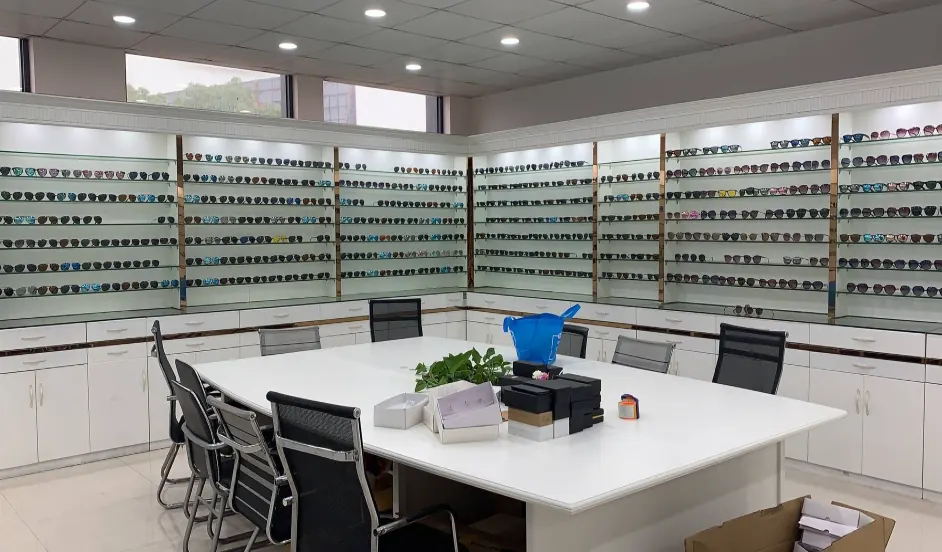

Working table
Supplier offer comparison fields
| Field | Record | Decision use |
|---|---|---|
| Product | Model, colorway, size, requested quantity | Confirms that like is compared with like |
| Commercial | Unit tier, MOQ allocation, package, payment | Shows the actual order basis |
| Timing | Availability date, preparation target, transit estimate | Separates supplier preparation from carriage |
| Delivery | Named trade term, place, route, exclusions | Makes responsibility and landed assumptions visible |
Buyer checklist
Save these checks with the order record.
- Write one row per model and colorway.
- Mark every unconfirmed fact clearly.
- Keep proposed substitutes as separate records.
- Attach sample and packaging photos to the approval version.
- Confirm final terms in writing before payment.
Buyer workflow
A documented path from shortlist to order.
- 01
Shortlist
Record the exact model references, colorways, quantities, destination, and required timing.
- 02
Confirm
Request current availability, price tiers, packaging, preparation time, shipping basis, and supporting documents in writing.
- 03
Approve
Compare the sample and written terms with the intended market requirements before payment.
- 04
Record
Keep the approved reference, photos, measurements, packaging, and commercial terms for repeat-order control.
Quick answers
What information should I send for a wholesale quote?
Send the models or brands of interest, destination country, estimated quantity, buyer type, and required delivery window. Add target shapes or price bands when the exact models are not yet selected.
Should I ask for one price or price tiers?
Ask for price tiers tied to quantities. A quote should make clear whether the MOQ applies per model, per colorway, per brand, or across the order.
How do I compare two supplier catalogues?
Normalize both catalogues into the same fields: model, colorway, size, quantity, unit price, packaging, lead time, shipping basis, and after-sales terms.
When should a buyer reject a supplier comparison?
Reject or revise it when model references, quantity allocation, packaging, timing, delivery basis, or exclusions cannot be matched row by row.
What should be saved after the first order?
Save the approved model and colorway list, dated photos, measurements, package, quantity, quote, payment record, shipping documents, inspection notes, and resolution history.
Sources and scope
This buying guide draws on the company’s supplied order information, supplier catalogue records and written quotation conditions. It is guidance for preparing questions, not a report of product testing or a customer case study.