Specify the package before comparing quotes
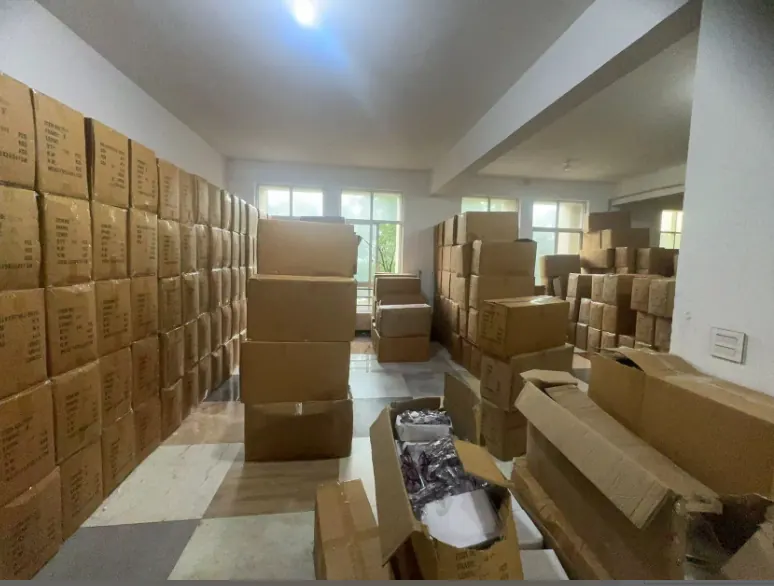
State whether each piece needs a bag, cloth, case, retail box, label, barcode, insert, or customized component. Ask for the packed unit and carton dimensions and weights when freight comparison depends on them. A product price without the agreed package is not directly comparable.
Separate preparation from transit
Regular orders target 3–5 days after payment and written confirmation, but that figure does not include every shipping or customs step. Confirm the ready date, collection date, carrier or line, estimated transit window, customs responsibility, and final delivery scope separately.
Read the named trade term with its named place
A three-letter term alone is incomplete. Ask for the named place or destination and the applicable Incoterms version in the quote or contract. The responsibility for pickup, export handling, main carriage, import clearance, duties, taxes, and final delivery changes with the agreed term and local circumstances.
Keep freight assumptions visible
Record the destination postcode, carton data, service level, insurance arrangement, quote validity, excluded charges, and who will receive customs requests. If any figure is estimated, label it as estimated so the landed-cost decision is not built on an implied guarantee.
Build a packed-carton data sheet
Record pieces per inner and outer carton, package components, carton dimensions, gross and net weight, label requirements, and the basis of every estimate. Freight quotes should use the same packed assumptions. If the final carton changes, ask for an updated quote or note the adjustment method. This protects the buyer from comparing a bare-product estimate with a case-and-box configuration that occupies more weight or volume.
Map responsibility at each handoff
Write who prepares the export package, books pickup, handles export formalities, pays main carriage, arranges insurance, supplies import data, clears customs, pays duties and taxes, and controls final delivery. Match that allocation to the selected Incoterm and named place, but do not rely on the three-letter code alone. Local rules, carrier charges, and contract wording still need review for the specific destination.

Working table
Freight quote normalization
| Component | Confirm | Why it matters |
|---|---|---|
| Package | Unit contents, pieces per carton, dimensions, weight | Defines the freight basis |
| Route | Carrier or line, service, origin, destination | Makes transit estimates comparable |
| Term | Incoterm version and named place | Locates cost and risk handoffs |
| Exclusions | Duties, taxes, clearance, remote fees, insurance | Reveals costs outside the headline quote |
Buyer checklist
Save these checks with the order record.
- Approve individual and carton packaging.
- Obtain final packed dimensions and weight.
- Name the place attached to the trade term.
- List included and excluded charges.
- Record quote validity and who handles customs requests.
Buyer workflow
A documented path from shortlist to order.
- 01
Pack
List every unit and carton component, label, and customization requirement.
- 02
Measure
Confirm packed dimensions, weight, quantity, ready date, and pickup location.
- 03
Quote
Compare route, carrier or line, named trade term, exclusions, and quote validity.
- 04
Confirm
Put the final responsibility split, payment, customs, and delivery scope in writing.
Quick answers
Which trade terms does KUANGTU list?
KUANGTU lists FOB, EXW, DAP, DDP. The selected term, named place, responsibility split, and applicable version must be stated in the order documents.
Which logistics routes are available?
The published options are UPS, FedEx, and country-specific shipping lines. Availability, service level, price, and transit estimate depend on the order and destination.
Are eyewear boxes included automatically?
Eyewear boxes are available, but the box style, quantity, customization, price inclusion, and carton arrangement must be confirmed for the specific order.
Can two DDP quotes still cover different services?
Yes. Compare the named destination, contract wording, duties and taxes treatment, clearance scope, remote-area charges, insurance, and final-delivery conditions.
When should freight be requoted?
Request an update when quantity, package, carton dimensions, weight, route, service level, destination, readiness date, or quote-validity window changes materially.
Sources and scope
This buying guide draws on the company’s supplied order information, supplier catalogue records and written quotation conditions. It is guidance for preparing questions, not a report of product testing or a customer case study.